
A Paris Break That Feels Like a Holiday
Build a change of scene in Paris around a waterside walk, an unhurried lunch and garden time without relying on an overloaded sightseeing plan.
By ONNN Editorial Team · 4 min read
Archive date · Updated
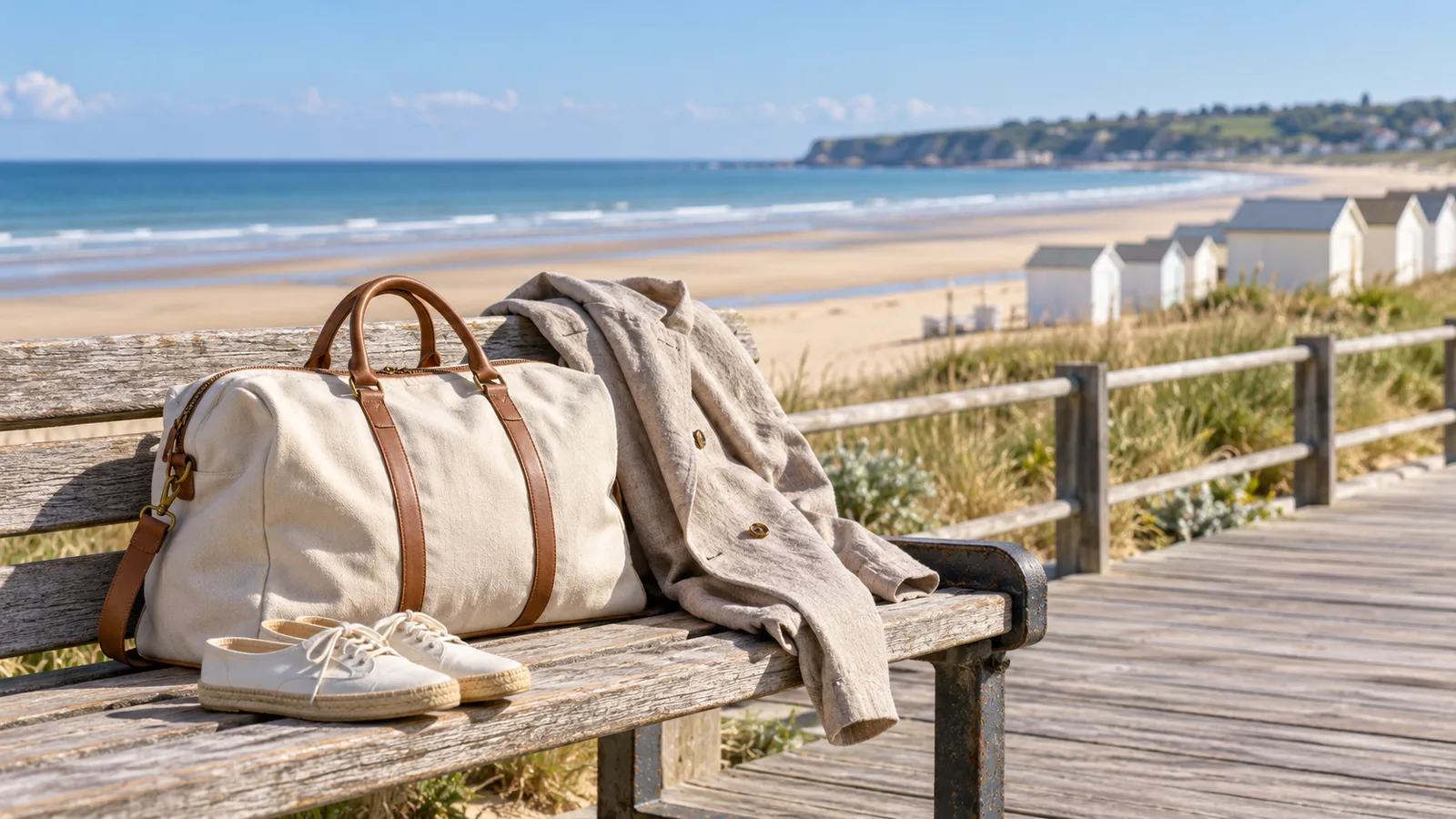
Choose the waterside walk before choosing lunch. That single decision gives a Paris day a clear direction while leaving room to slow down, change plans and notice the city rather than cross it in pursuit of reservations.
Build the day around water, not a checklist
A waterside walk works as the day’s anchor because the route itself is the activity. You do not need to coordinate admission slots, move repeatedly between districts or decide in advance how long every stop should take.
Start by selecting a stretch of the Seine that fits naturally between your arrival point and the area where you expect to eat. Check a current map for pedestrian access, construction notices and the route back to public transport. River levels, temporary closures and event installations can alter access, so treat the map as a live planning tool rather than assuming every embankment is available.
The useful mechanism is simple: one continuous route reduces transitions. Conventional sightseeing divides the day into separate destinations, each with its own journey and timing pressure. A waterside plan replaces those repeated handoffs with a single line that can be shortened whenever energy, weather or luggage changes the situation.
Let lunch set the pace without dictating the venue
An unhurried lunch should sit near the middle of the route, but it does not need to determine the entire itinerary. Search current listings close to the point where you expect to leave the water, then verify the venue’s official information on the day. Opening status, service hours and reservation policies change, and the historical source does not establish current conditions for individual businesses.
Choose by practical characteristics rather than reputation alone. A terrace suits dry, comfortable weather; an indoor dining room offers a clearer fallback when conditions turn. Counter service preserves flexibility, while a seated meal creates a longer pause. The best format depends on whether the day is primarily a walk with food along the way or a meal framed by a short walk.
Consider a hypothetical visitor arriving with enough time for a relaxed afternoon but without a fixed lunch booking. They could begin beside the river, identify several nearby dining areas on a current map and decide only when hunger and weather make the choice clear. This is not a recommendation for a specific restaurant; it is a way to preserve choice without spending the day searching.
Use a garden as the transition, not another attraction
After lunch, a garden or planted public space can mark the shift from walking to resting. The aim is not to add another landmark. It is to find seating, shade or an open path where the group can pause before the next journey.
Check the garden’s official information before setting out, particularly for access rules, seasonal conditions and closures. Select one that lies on the route toward your accommodation, station or evening plans. A garden on the opposite side of Paris may look appealing on a map but introduces another transfer and turns a quiet afternoon into a transport exercise.
This stage also exposes the limit of the approach. A low-structure day still needs a fallback. Rain, heat, mobility needs or heavy baggage can make an extended outdoor plan unsuitable. Keep an indoor alternative near a transport connection, and avoid carrying luggage onto long walking sections when storage has not been confirmed.
Connect the Paris pause to the wider trip
For travelers continuing toward Reims, Normandy or the Pays de la Loire, the relaxed Paris day should support the next departure rather than compete with it. Work backward from the correct station, airport terminal or pickup point. Keep the final stop on the same side of the city when practical, and leave optional walking for the part of the day that is easiest to shorten.
The resulting plan has a clear sequence: water provides continuity, lunch supplies the main pause, and a garden creates a buffer before departure. Its value comes from fewer transitions, not from completing a fixed set of sights. The limit is equally clear: current access, weather and venue details still require checking close to travel.
For an airport arrival, use a concrete checklist before leaving the terminal: confirm the current terminal and landside exit, save the accommodation address offline, identify the first public transport or pickup decision, check where luggage will stay, and choose a weather fallback before committing to a long walk. The ONNN journey planner can help organize the route without implying a confirmed booking or fare.
For current visitor information, check the City of Paris and confirm the details of your plans directly with the relevant venue or operator.


