Disneyland Paris: Keep Arrival Day Separate From Park Day
Keep Disneyland Paris arrival day manageable by separating transfers, hotel check-in, luggage and park entry, with clear plans for the whole family.
By ONNN Editorial Team · 3 min read
Archive date · Updated
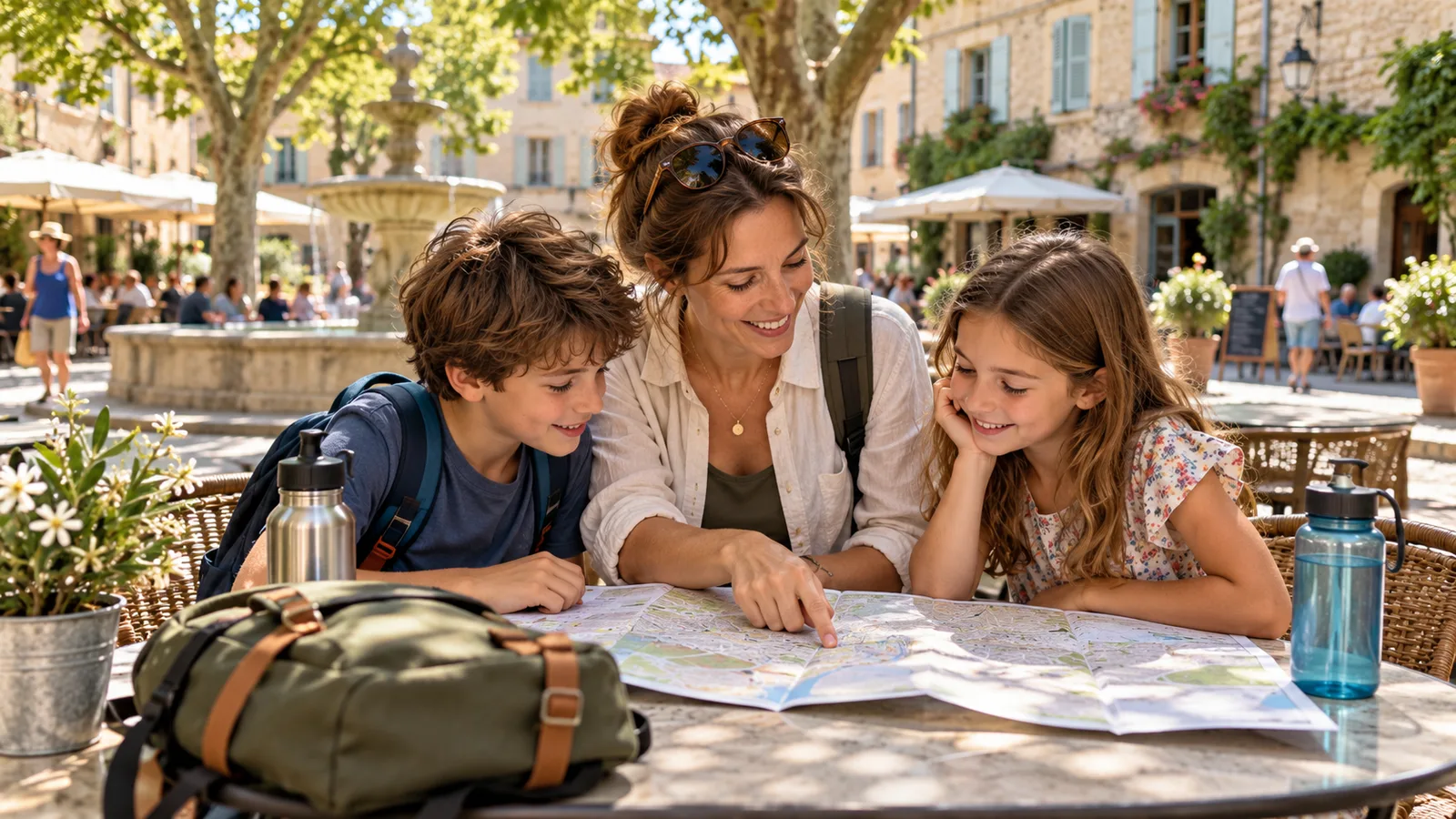
A park ticket, a hotel arrival and a transfer to Disneyland Paris solve different parts of a family trip. Trying to fit them into the same tightly planned arrival can make the most tiring part of the day carry the most uncertainty. Decide first whether arrival day is for settling in or for entering the park.
Give the arrival day a clear purpose
Look at the actual inbound journey before making a park plan. An airport arrival requires the traveler to complete the relevant arrival procedures and collect any checked bags. A rail arrival has its own handoff from train to public meeting point. Neither is finished merely because a service has reached its destination.
If the group includes children, discuss what needs to happen before another activity: a meal, a change of clothes, access to a room or simply somewhere to sit with the bags. A flexible arrival afternoon can make a booked park day easier to use. Avoid treating every spare part of the itinerary as time that must be filled.
Keep any paid reservation separate from an unconfirmed transfer. Confirm the entry conditions and date for the ticket directly with the venue. A journey estimate should not be used as a guarantee that a tightly timed reservation can be reached after a delayed arrival.
Resolve the luggage question before the first ride
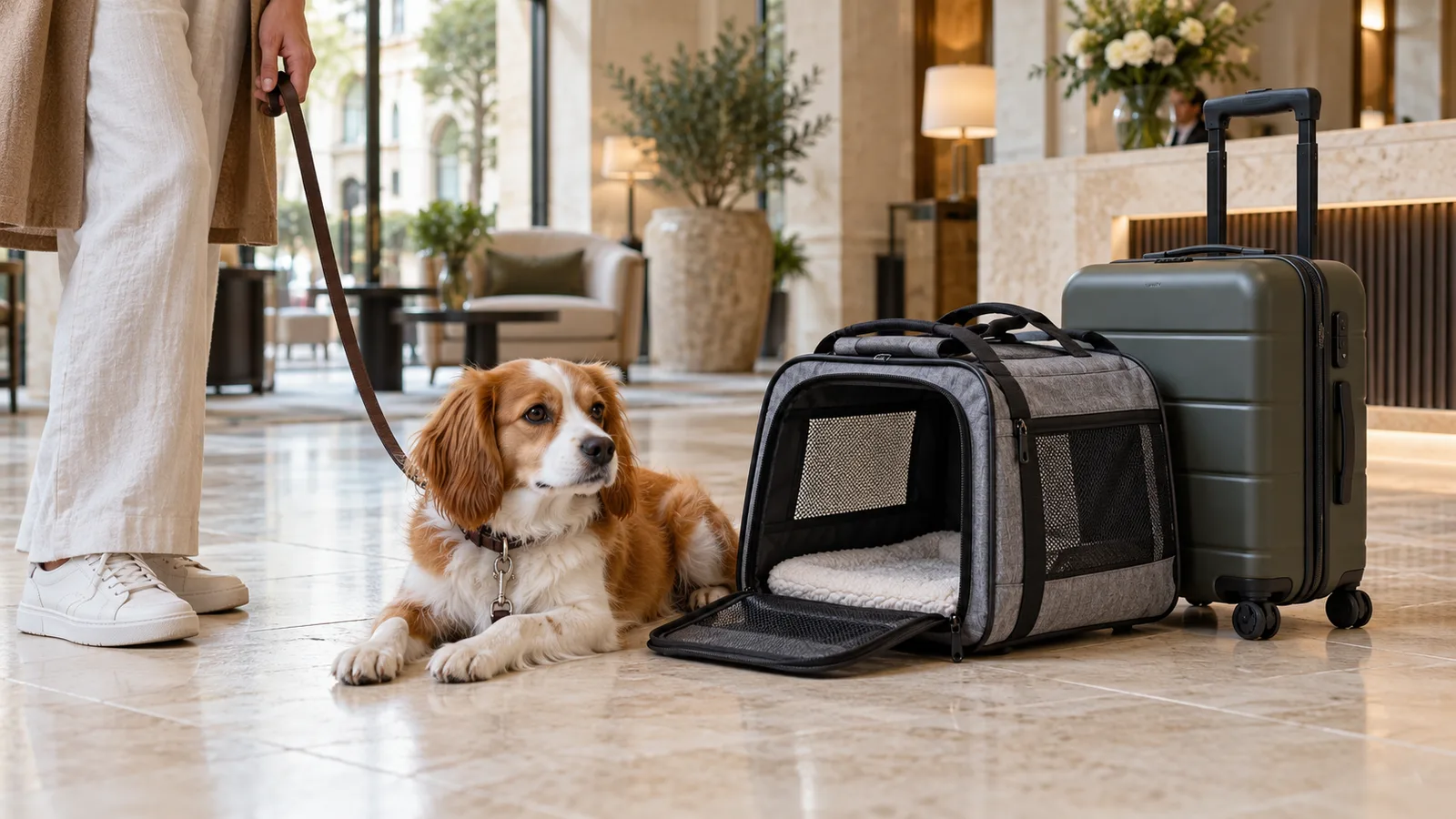
Ask your accommodation about check-in, early bag drop and any conditions that apply. Do not assume that a hotel, park entrance or transport provider can hold luggage without an arrangement. Record where the bags will be handed over and how they will be collected again.
Keep essentials for the first part of the day in an accessible bag. Travel documents, medication and anything needed before check-in should remain with the responsible adult. If someone takes the children ahead while another person deals with luggage, agree on the reunion point and who has each important item.
Share the real bag requirements when requesting transport. A vehicle label does not answer every question about suitcases, a folded pushchair or particular equipment. Ask the operator to confirm suitability for the group rather than relying on a photograph of a vehicle class.
Use the exact hotel or entrance address
A general destination label can conceal an important final handoff. Use the accommodation name and full address from the actual reservation. If the hotel provides specific arrival instructions, share them with the operator and verify how the requested journey will end.
For a direct park arrival, consult the venue's current access information and the operator's pickup or drop-off instructions. Do not copy an entrance or meeting point from an old promotional post. Arrange the return independently, including the agreed meeting location and how the group will make contact when ready.
If the family may split up, make the plan understandable to everyone responsible for a child. A memorable public landmark and a clear contact method are more useful than an instruction that depends on a particular adult's phone being available throughout the day.
Keep a historical promotion in its proper place
Use the ONNN journey planner to send your proposed route and group requirements for an availability check and quote. Explain whether the destination is the hotel or an entrance, and include any equipment that needs confirmation. Submitting the request does not confirm a booking.
Finish the arrival plan with a practical sequence: complete the inbound journey, make the agreed transfer, hand over the bags where storage is confirmed and settle the family. A park day then begins with a clear purpose rather than an unresolved arrival.
For current visitor information, check the City of Paris and confirm the details of your plans directly with the relevant venue or operator.