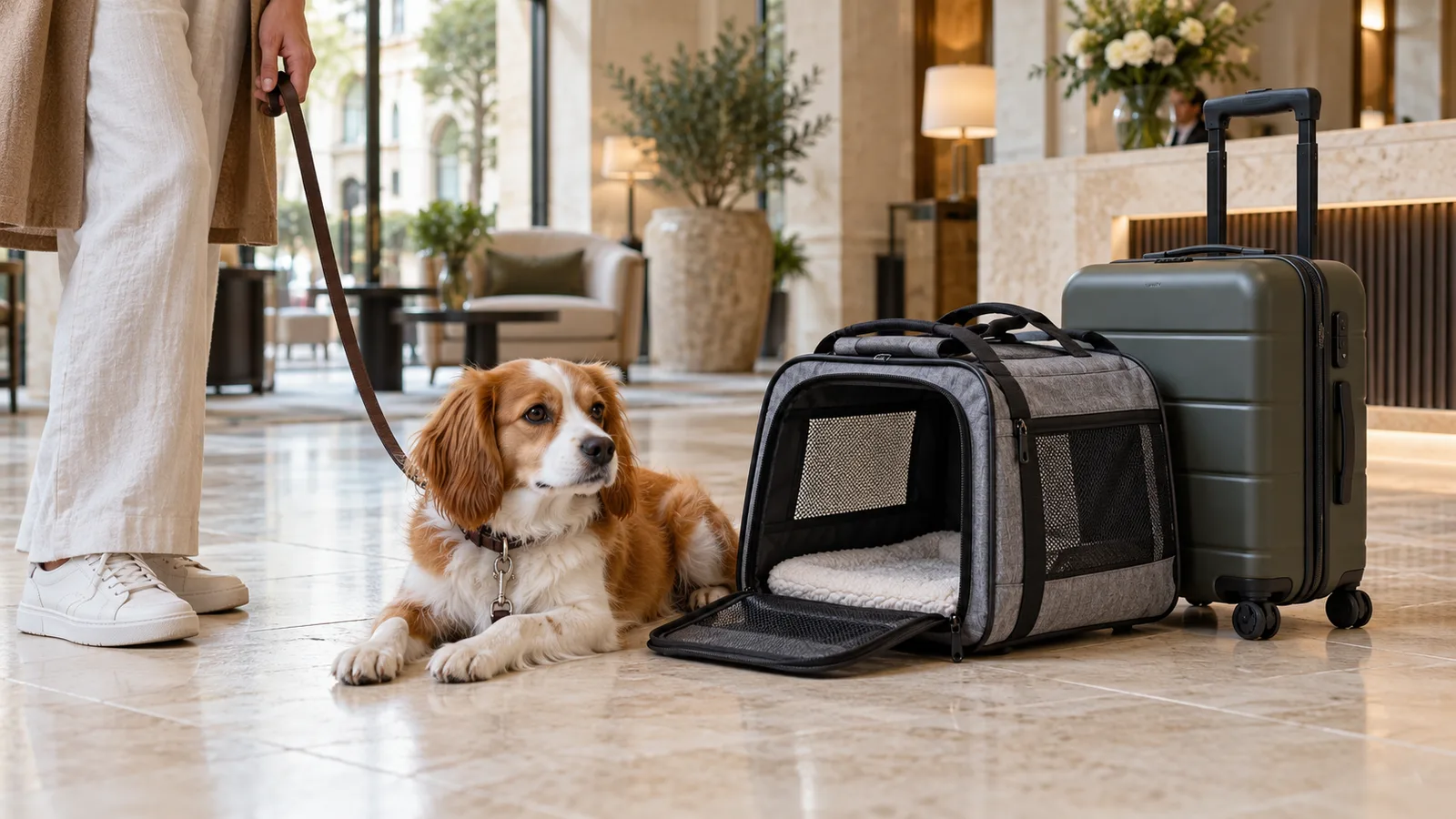
Disneyland Paris With Children: Plan the Full Day
Prepare children for a full Disneyland Paris day by choosing suitable attractions, packing for changing needs, setting a reunion point and protecting the return journey.
By ONNN Editorial Team · 4 min read
Archive date · Updated
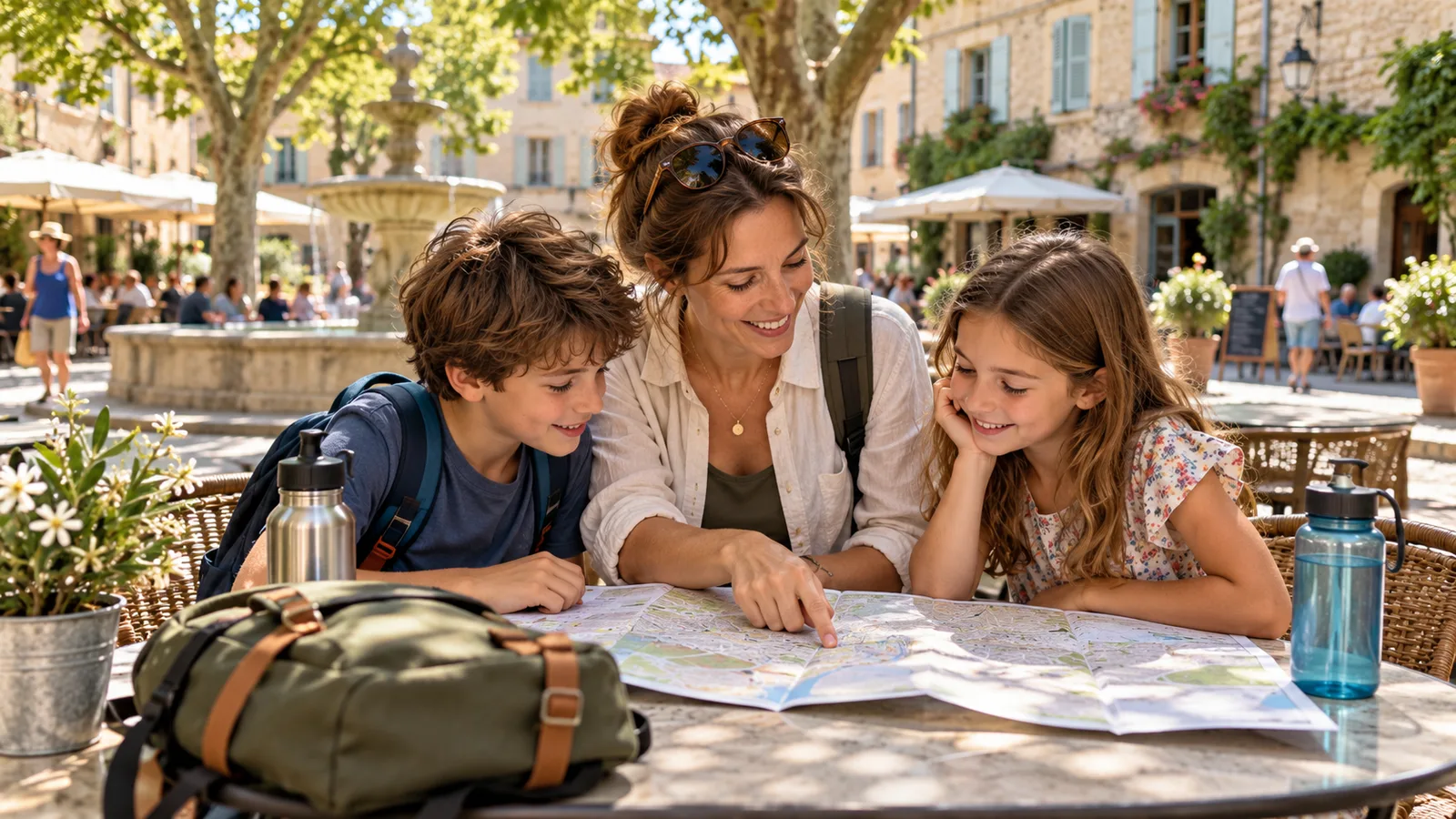
Before anyone joins a queue, agree on the family’s meeting point and the condition that will end the park day. Those decisions matter more than trying to fit every attraction into an itinerary. Children need a plan that can absorb hunger, overstimulation, changing interests and tired legs without putting the return journey at risk.
If the family is arriving in the Paris region shortly beforehand, keep the travel day and park day distinct. The practical reasons are covered in Disneyland Paris: Keep Arrival Day Separate From Park Day. For the park day itself, prepare around the children’s needs rather than treating them as smaller adults following an adult schedule.
Pack for changes in energy, weather and attention
Build the day bag around transitions. A child may be comfortable while moving but need another layer when sitting, waiting or travelling home. Carry clothing suited to the forecast, familiar snacks where permitted, water, sun or rain protection, tissues and any medication the child normally requires. A compact comfort item can also make a quiet break easier.
Keep essential items together so an adult can reach them without unpacking the entire bag. Separate anything needed during the return journey from souvenirs and non-essential purchases. If children carry their own small bags, adults should still retain medication, travel documents, payment methods and the information needed to get everyone home.
Prepare identification without exposing unnecessary personal data. A young child can carry a card with an adult’s name and mobile number inside a pocket or closed holder. Explain what it is for before entering the park, rather than introducing the idea during a stressful separation.
Choose attractions around the child, not the checklist
Ask what the child enjoys rather than assuming that height, age or enthusiasm for a character predicts comfort. Darkness, sudden movement, noise, enclosed spaces and visible drops can each change the response. Watching an attraction from outside, discussing what happens and accepting a refusal prevents a planned highlight from dominating the rest of the day.
Alternate demanding experiences with activities that require less waiting or sensory effort. The useful sequence is not necessarily the shortest route. It is the sequence that leaves room for food, toilets, a calm pause and a change of mind without forcing the family to cross the park repeatedly.
Make the reunion point precise enough to use
Choose a fixed, easy-to-describe feature before the group separates. “Near the entrance” leaves too much room for error; specify the feature, the side and the place where the waiting adult will remain. Do not use a moving queue, temporary display or crowded doorway as the reference.
The plan should differ by the child’s ability to navigate independently. A younger child should not be expected to cross the park alone. Teach them to stop, stay visible and seek help from a uniformed employee if separated. An older child who is allowed limited independence should know the exact reunion point, the agreed return condition and what to do if a phone has no power or connection.
Adults need the same discipline. Decide who remains at the meeting point and who seeks assistance, rather than having everyone move in different directions. Take a current photograph of each child’s clothing before entering; it can provide a clear description without relying on memory under pressure.
Protect the meal breaks and journey home
Do not wait for visible exhaustion before pausing. Place meals and quiet breaks between high-effort parts of the day, and keep a simple fallback if the preferred venue or attraction does not fit the child’s condition. A familiar snack is not a substitute for checking dietary requirements directly with the venue, but it can prevent hunger from dictating the next decision.
Set the departure threshold before the final attraction. It should preserve enough time to collect belongings, use toilets, reach the agreed pickup point or station and follow the current return route. Recheck transport information on the day and save the destination address independently of any single phone or app.
For airport arrival, confirm the operating flight and terminal, save the accommodation and park addresses, check the route for the park morning, record the family reunion point, retain essential items in the adult’s bag and verify the return plan before entering. The ONNN journey planner can be used to describe an airport or onward journey for review, without implying a confirmed booking or price.
For current visitor information, check the City of Paris and confirm the details of your plans directly with the relevant venue or operator.