
Keeping a Chauffeur Vehicle Ready Between Paris Journeys
Plan vehicle cleaning around the next passenger, vehicle layout, available queue time and the manufacturer’s care instructions.
By ONNN Editorial Team · 4 min read
Archive date · Updated
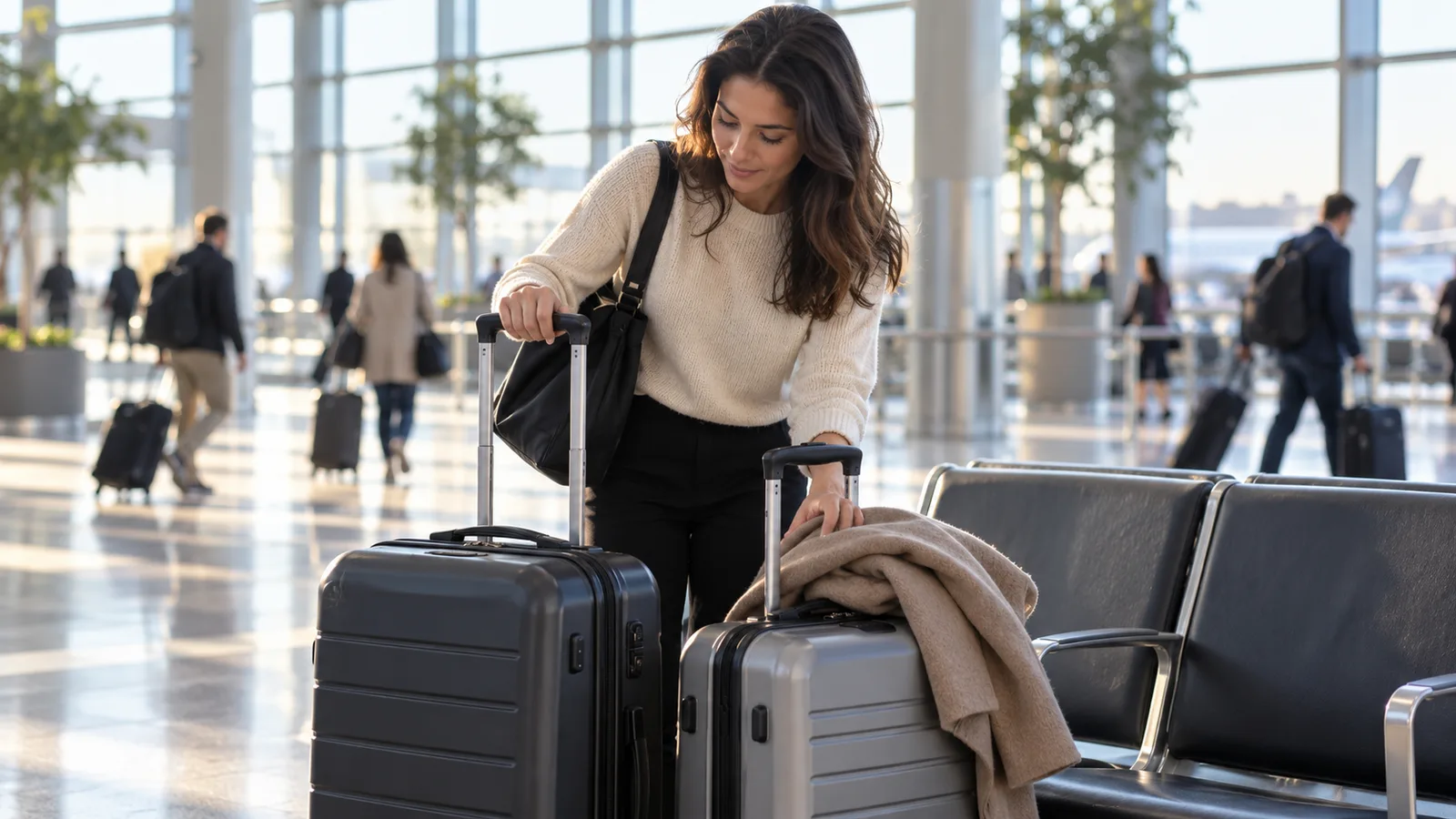
Before a chauffeur leaves Paris Charles de Gaulle Airport for Reims, the useful decision is not whether the vehicle looks generally clean. It is whether the cabin, luggage area and passenger equipment are ready for the specific journey ahead. A quick interior reset may be enough after a light airport transfer; sand, mud, food residue or animal hair requires a different plan.
Passengers contribute to that decision by describing their party and belongings accurately. Luggage volume, a pet carrier, a pushchair or outdoor equipment can determine which areas need protection and attention. The aim is a suitable reset between journeys, not an improvised full clean while the next passenger waits.
Match the reset to the vehicle and journey
A saloon, people carrier and estate car do not present the same cleaning priorities. In a saloon, the rear seats and footwells may receive most passenger contact while luggage remains in a separate boot. A people carrier adds door openings, extra seating and more floor area. An estate car places luggage closer to the cabin and may need particular attention around the load cover and folding seats.
The next route matters as much as the previous one. A hotel transfer with compact cases calls for a clear passenger area and accessible boot. A hypothetical family journey towards Normandy may involve a pushchair, food carried for the road and bags that must remain easy to unload. A return from a country walk can shift attention towards floor mats, door sills and the luggage compartment.
Vehicle choice should therefore precede the final cleaning check. If bulky belongings are involved, measure and disclose them rather than assuming that a clean boot is also a suitable boot; the same distinction is developed in this guide to separating passenger and delivery needs.
Build the cleaning queue around the next departure
Cleaning tasks should be ordered by what prevents the vehicle from serving the next journey properly. Remove forgotten items and loose waste before wiping surfaces. Clear the luggage space before arranging passenger amenities. Deal with visible contamination before spending time on minor cosmetic details.
The queue also needs a stopping point. If departure is close, a chauffeur should not begin a process that cannot be completed, dried or safely packed away before boarding. A damp seat, unsecured bottle or vacuum cable left in the footwell creates a new problem instead of resolving the old one.
Use waiting time for contained tasks that suit the location: checking the cabin, emptying small receptacles, straightening mats or restocking approved supplies. Washing the exterior or treating upholstery belongs in a suitable setting with enough time to follow the relevant instructions. Airport holding time should not be treated as an unrestricted workshop period.
Carry supplies by task, not by appearance
A compact kit works best when each item has a defined use. Separate materials intended for glass, cabin surfaces and loose debris so that a cloth used on a sill is not immediately used on an interior touchpoint. Keep waste bags and clean cloths apart from used items, and secure liquids upright away from passenger luggage.
Supplies should reflect the vehicle’s surfaces rather than a generic idea of cleanliness. Leather, coated trim, display screens, fabric and polished interior elements can have different care requirements. Product labels and the vehicle manufacturer’s instructions determine suitability; an unfamiliar chemical should not be tested during a short turnaround.
Passenger information can also change the kit required. A disclosed pet journey may call for a removable protective layer and a plan for collecting hair after the ride. That does not establish that any particular vehicle accepts animals. Acceptance and the proposed setup still need to be agreed for the actual journey, as explained in the guide to confirming a pet ride.
Treat old wash-station lists as historical context
Do not build a turnaround around an old directory entry. Check the operator’s current information before travelling to a facility, and confirm that the intended process suits the vehicle. This article makes no claim about present wash-station locations, opening arrangements or commercial terms.
Operating instructions remain the stable decision boundary. Before using a wash program, vacuum, pressure equipment or cleaning product, check the vehicle manual and the equipment provider’s current directions. Remove or secure loose cabin items, close the vehicle as instructed and complete the post-cleaning check before returning it to passenger use.
For an airport arrival, use this concrete checklist: confirm the operating terminal and landside meeting point; state every passenger, bag, pet carrier and oversized item; ask which vehicle layout is intended; keep food and outdoor equipment contained; and allow the chauffeur to assess the required reset before departure. The ONNN journey planner can help structure the intended airport and onward journey, but submitting a plan does not establish a booking, vehicle assignment or price.
For current visitor information, check the City of Paris and confirm the details of your plans directly with the relevant venue or operator.

