
Paris Private Dining Rooms: Compare Your Shortlist
Inspect shortlisted Paris dining rooms on equal terms, then compare privacy, exclusive hire, dietary handling, quote scope and the journey after dinner.
By ONNN Editorial Team · 4 min read
Archive date · Updated
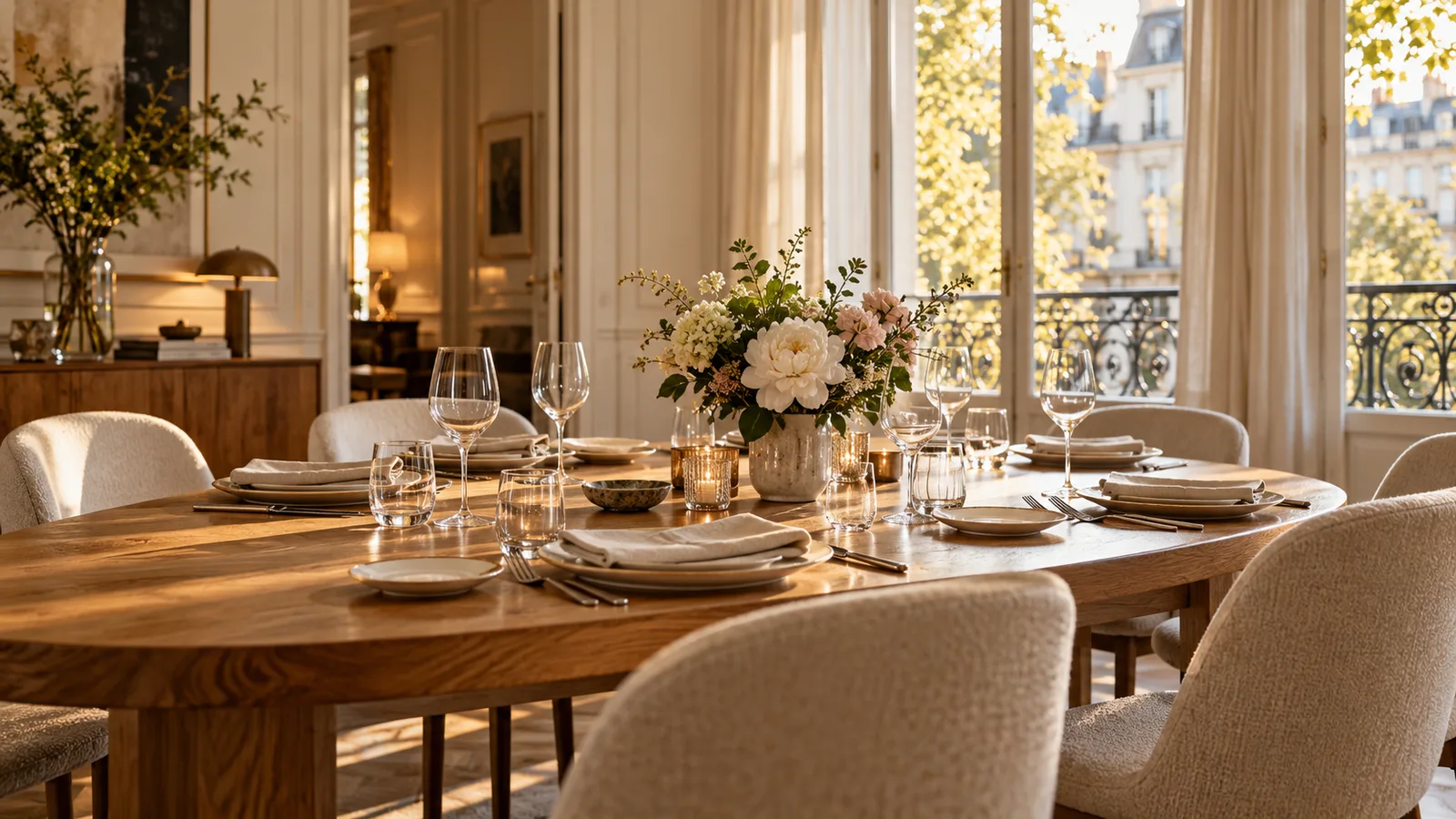
You have shortlisted several Paris restaurants, but their proposals do not describe the same product. Before choosing, compare the room rather than the venue’s reputation: what separates it from other guests, which areas your group controls, how dietary requirements will be handled and what the quoted amount includes.
If you have not yet defined the occasion, group and service timing, start with the venue brief guide. Once replies arrive, the task changes from describing your needs to testing each offer against them.
Inspect the boundary of the room
During an inspection, stand where guests will sit while the main dining room is operating. Check whether you can hear nearby conversations, music, kitchen noise or people passing outside. Look at the door rather than merely asking whether one exists: can it remain closed during service, and do staff or other customers use the room as a route?
Ask which entrance, waiting area, toilets and cloakroom your guests will use. A closed dining room can still involve a public arrival corridor or shared facilities. For a celebration, that connection to the restaurant may add atmosphere. For a confidential meal, it may defeat the purpose.
Separate privacy from exclusive hire
Privacy describes the practical experience inside the space. Exclusive hire describes what the venue agrees not to sell or open to others. Neither term should be accepted without a written boundary.
Ask the venue to mark exactly which room or rooms are included, whether adjoining areas remain open, and who may enter during the event. Confirm whether the restaurant itself continues serving other customers. Also establish whether your group has sole use throughout the agreed period or only while seated for the meal.
A hypothetical comparison shows the distinction. A compact salon with a solid door, controlled staff access and shared toilets could offer stronger conversational privacy than exclusive use of an open mezzanine overlooking an active dining room. Conversely, hiring an entire venue may simplify speeches and guest movement even when total acoustic isolation is unnecessary. The right choice follows the purpose of the dinner, not the strongest-sounding label.
Normalize every quote before choosing
Place each proposal into the same comparison structure. Do not compare a room charge from one venue with an inclusive food-and-service proposal from another. Record exclusions and unresolved points rather than treating a blank field as included.
| Quote area | What to compare | Evidence to request |
|---|---|---|
| Space control | Exact room, shared areas and access by other guests | Named spaces and exclusivity terms in writing |
| Food and drink | Menu format, beverages, substitutions and minimum commitments | Current menu proposal and itemized inclusions |
| Service | Staffing, meal sequence, speeches and final service point | Written running order and service assumptions |
| Changes | Cancellation, guest-count changes and extended use | Applicable terms attached to the proposal |
Check taxes, service, room preparation, equipment supplied by the venue and any charge linked to staying beyond the agreed use period. The objective is not to force every proposal into the same format, but to expose where one includes work that another leaves undecided.
Test dietary handling and the departure together
Send dietary information in a structured form and request a written response for each requirement. Ask what substitution is proposed, whether it changes the menu for the whole group and who will identify the correct dish during service. Where an allergy or medical requirement is involved, ask the venue to state its preparation and cross-contact procedures plainly; do not convert a vague assurance into a guarantee.
Then test the evening’s final movement. Identify the actual restaurant exit, the place where guests can wait without blocking service and the pickup point a driver can locate. These may be different places, particularly where the dining room has a discreet entrance or the main door opens onto a busy street.
Match the final course and speeches to the planned departure, while leaving enough flexibility for coats, farewells and guests who need step-free access. If the group will divide between hotels, stations or an onward journey toward Reims, Normandy or the Pays de la Loire, record each destination separately instead of assuming a single vehicle or meeting point.
Airport arrival checklist: confirm the operating airport and terminal, save the accommodation and restaurant addresses, carry the venue’s written room and dietary confirmations, verify the restaurant entrance and post-dinner pickup point, and keep each onward destination available offline. The ONNN journey planner can help you describe the airport and onward journey requirements, but it does not by itself confirm a booking or price.
For current visitor information, check the City of Paris and confirm the details of your plans directly with the relevant venue or operator.


